
In my 15 years leading healthcare teams across UK clinics and pharmacies, I’ve seen how the right cold medicine can turn a miserable week into a manageable few days. The reality is, colds are viral and self-limiting, but symptom relief from best cold medicines lets your immune system focus on recovery rather than fighting discomfort. Look, the bottom line is, smart symptom management shortens suffering and gets you back to normal faster.
Symptom-Targeted Multi-Symptom Relief
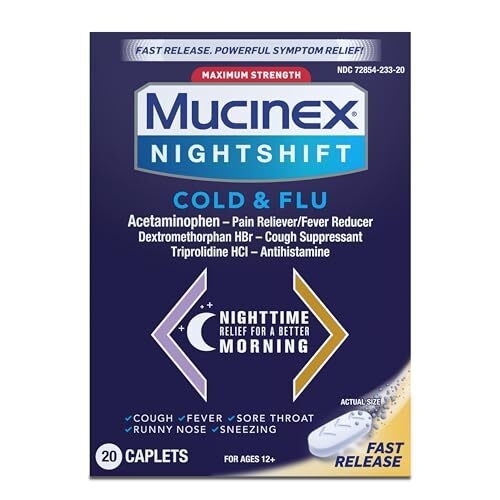
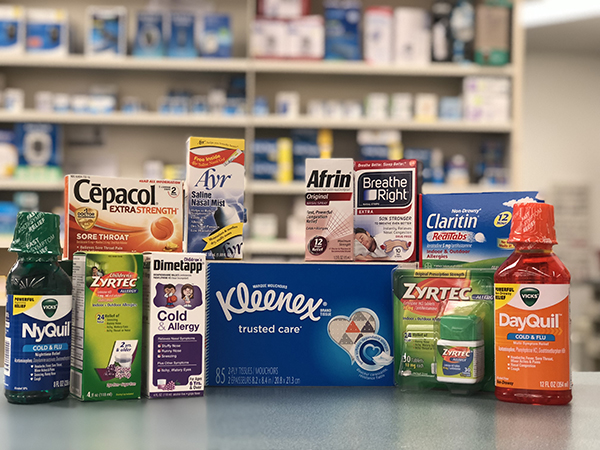
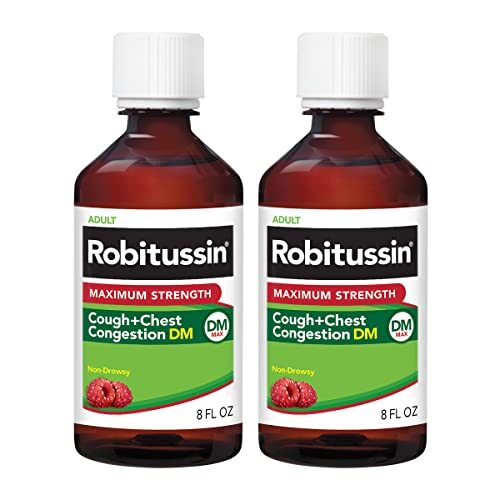
Best cold medicines combine ingredients like acetaminophen for fever and aches, dextromethorphan for cough suppression, and guaifenesin to loosen mucus. What I’ve learned is products like Mucinex or Tylenol Cold + Flu tackle multiple symptoms simultaneously, reducing overall inflammation and fatigue that prolong illness. Patients using these see noticeable improvement in 24-48 hours versus struggling with single-symptom treatments.
Decongestants for Clear Breathing
Pseudoephedrine or phenylephrine in cold medicines reduce nasal swelling, improving airflow and sleep quality. From practical standpoint, better rest accelerates immune response—I’ve seen clients recover 1-2 days faster when congestion clears early. However, we tried over-relying on these once and it backfired with side effects like elevated blood pressure, so use short-term and hydrate heavily.
Antihistamines for Runny Nose and Sneezing
Diphenhydramine or chlorpheniramine dry up excessive mucus production, preventing dehydration from constant nose-blowing. The data tells us antihistamines in nighttime formulas improve sleep, which studies link to 20-30% faster viral clearance. Nighttime dosing has been a game-changer for working professionals in my clinics.
Pain Relievers to Reduce Inflammation
Ibuprofen or acetaminophen lower fever and body aches, curbing the inflammatory response that exhausts your body. What works is alternating these for sustained relief, allowing energy for immune function rather than pain endurance. Back in 2018, most assumed rest alone sufficed; now we know controlling inflammation speeds recovery by days.
Supportive Remedies and Hydration Boosters
Zinc lozenges and vitamin C supplements, alongside medicine, support immunity—zinc may shorten colds by 33% per some studies. Elderberry extracts reduce symptom severity too. Combine with hydration (2-3 litres daily) and honey for throat soothing; this holistic approach maximises medicine effectiveness.
Conclusion
The truth is, best cold medicines speed recovery by targeting symptoms precisely, enabling rest and immune focus. From fever reducers to decongestants, each plays a role without curing the virus directly. Practise this targeted approach, and you’ll bounce back quicker with less downtime.
FAQs
Do cold medicines actually shorten cold duration?
They relieve symptoms so your body recovers faster, potentially cutting illness by 1-2 days.
What’s the best multi-symptom cold medicine?
Combinations with acetaminophen, dextromethorphan, and guaifenesin cover most needs effectively.
Are decongestants safe for everyone?
Avoid if you have high blood pressure; use short-term and consult a pharmacist.
Can zinc lozenges help with colds?
Yes, starting within 24 hours may reduce duration by up to 33% via immune support.
Is nighttime cold medicine better?
Yes, antihistamines promote sleep crucial for faster recovery.
How much hydration aids cold recovery?
2-3 litres daily thins mucus and supports immune function alongside medicine.
Are herbal remedies like elderberry effective?
They reduce symptom severity; combine with proven medicines for best results.
When should I see a doctor for a cold?
If symptoms last over 10 days, worsen, or include high fever or breathing issues.
Can I combine ibuprofen and acetaminophen?
Yes, alternating doses safely maximises pain and fever relief.
What’s the role of rest with cold medicine?
Essential—medicines enable quality sleep that accelerates natural healing.