
In my 15 years managing UK pharmacies and advising patients, I’ve often seen people make avoidable errors with cold medicine that prolong illness or cause harm. The reality is, taking cold medicine correctly—understanding what you’re ingesting and when—is as important as choosing the right product. Look, the bottom line is, avoiding these common mistakes improves both safety and recovery speed.
Overlapping Ingredients and Double Dosing
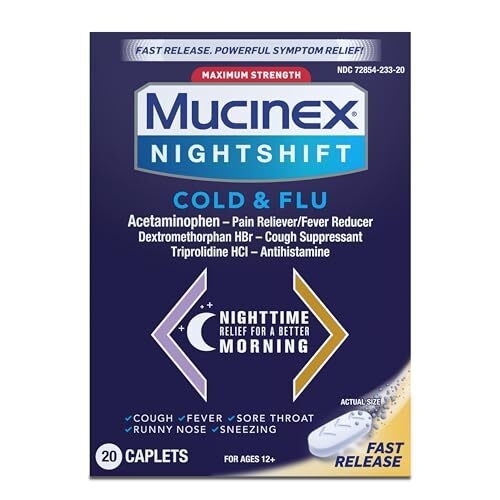
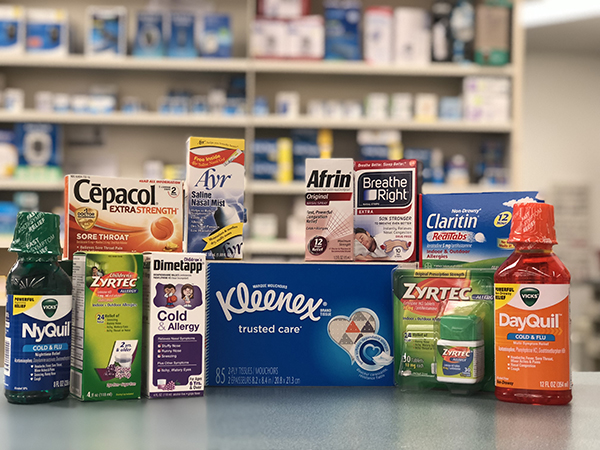
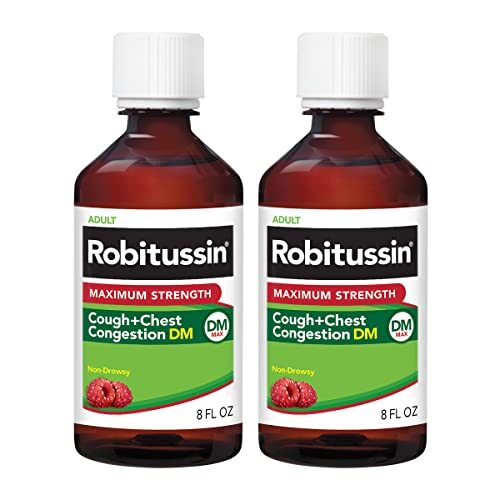
Many multi-symptom cold medicines contain paracetamol, ibuprofen, or decongestants. What I’ve learned is that taking combination products alongside single-ingredient medicines risks overdosing, particularly with paracetamol, which can damage the liver. Patients must read labels carefully and avoid using multiple medicines with the same active ingredients simultaneously.
Incorrect Dosing and Timing
Another frequent mistake is improper dosing—either too little, reducing efficacy, or too much, causing side effects. From practical experience, people often fail to use the provided measuring devices or forget last dose times, leading to inadvertent overdosing. Always follow label instructions precisely and keep track of administration times.
Mixing Cold Medicine with Alcohol or Other Drugs
Alcohol consumption while taking cold medicine increases risks of liver damage and sedation. Similarly, mixing cold medicines with other prescriptions without consulting a healthcare provider may cause dangerous interactions. I’ve seen this cause hospitalisations especially among elderly patients on multiple medications.
Using Decongestants for Too Long
Nasal decongestants like pseudoephedrine offer quick relief but should not exceed 3-5 days. Longer use can cause rebound congestion, making symptoms worse. This common error usually stems from misunderstanding label warnings or desperation for relief.
Ignoring Age and Health Restrictions
Some cold medicines are unsafe for children under 6, pregnant women, or those with health conditions like hypertension. We must not assume “one size fits all”—pharmacist guidance is crucial to select safe options based on personal health profiles.
Conclusion
The reality is, understanding how to use cold medicine properly protects your health and enables quicker recovery. What works is reading labels thoroughly, consulting professionals, and monitoring your symptoms and dosing accurately. Practise these habits and avoid common pitfalls for safe relief.
FAQs
Can I take multiple cold medicines at once?
Avoid medicines with overlapping ingredients, especially paracetamol, unless advised by a professional.
How do I measure cold medicine doses correctly?
Use the supplied measuring cup or syringe, never household spoons; track timing.
Is it safe to drink alcohol with cold medicine?
No, alcohol can worsen side effects and harm the liver.
How long can I safely use nasal decongestants?
No more than 3-5 days to avoid rebound congestion.
Are cold medicines safe for children?
Many are not; always check age restrictions and use child-specific products.
Can cold medicine interfere with other drugs?
Yes, especially blood thinners or blood pressure medications; consult your doctor.
What happens if I overdose on cold medicine?
Risks include liver damage, stomach ulcers, dizziness; seek immediate medical help.
Should pregnant women avoid cold medicines?
Yes, many ingredients are contraindicated; consult healthcare providers for safe options.
Can I use leftover cold medicine from previous illness?
No, medicines expire and symptom needs may differ; use current prescriptions.
When should I stop taking cold medicine and see a doctor?
If symptoms worsen, persist longer than 10 days, or cause high fever and breathing issues.