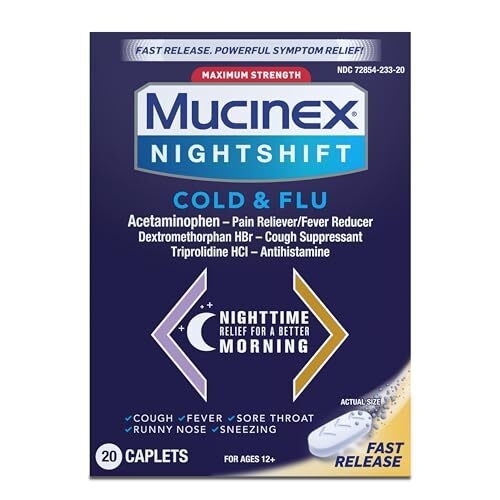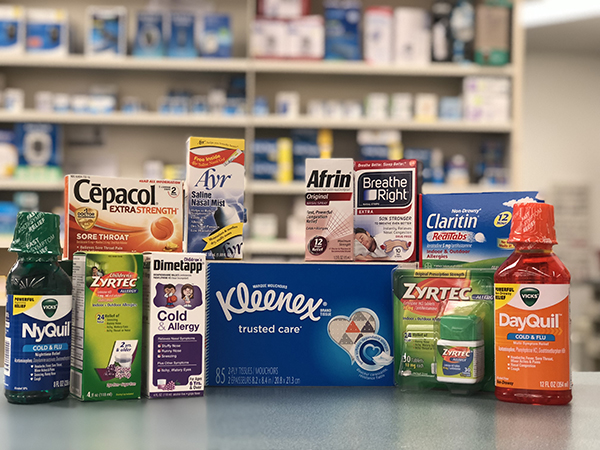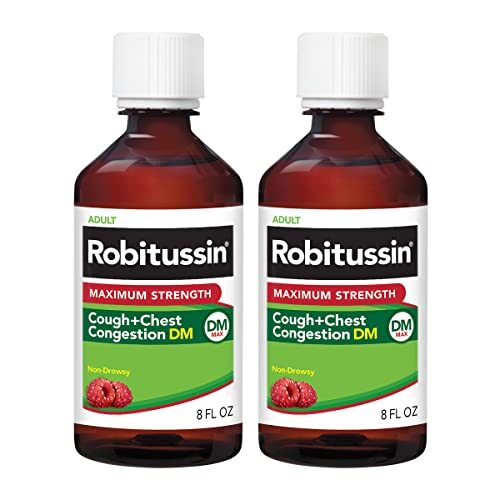
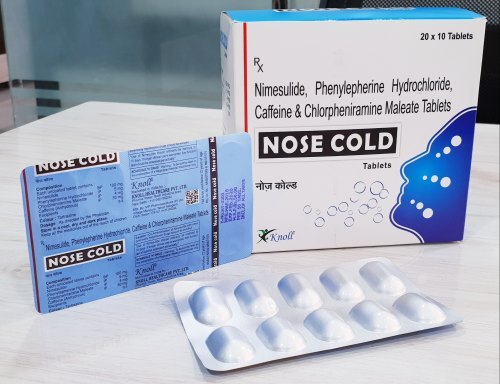
In my years advising patients and managing pharmacies across the UK, understanding the ingredients in cold medicines is crucial. The reality is, no single medicine fits all—knowing what each ingredient does helps you choose the right one for your symptoms. Look, the bottom line is, reading labels and matching components to your needs accelerates effective relief.
Paracetamol – Pain and Fever Relief
Paracetamol is a staple in most cold medicines, providing reliable reduction of fever, headaches, and muscle aches. Its safety profile and effectiveness make it the foundation of many combination products like Beechams All-in-One.
Decongestants – Phenylephrine and Pseudoephedrine
These shrink nasal membranes to relieve congestion. Phenylephrine is common but less potent than pseudoephedrine, which requires pharmacy purchase due to restrictions. Short-term use prevents rebound congestion.
Cough Suppressants – Dextromethorphan
This ingredient suppresses the cough reflex for dry cough relief. It’s frequently combined with expectorants like guaifenesin, which loosens mucus to ease productive coughs.
Antihistamines – Diphenhydramine and Chlorpheniramine
Often used in nighttime formulas, antihistamines reduce runny nose and sneezing but can cause drowsiness, so timing your dose matters.
Expectorants – Guaifenesin
Guaifenesin loosens mucus in the respiratory tract, making coughs more productive and clearing chest congestion faster.
Supportive Ingredients – Menthol and Eucalyptus
Found in lozenges and vapor rubs, these provide soothing sensations and mild antiseptic effects, enhancing symptom relief.
Combination vs Single-Ingredient Medicines
Combination medicines can tackle multiple symptoms but be wary of taking duplicates. Single-ingredient options reduce side effect risks and are preferable if symptoms are specific.
Conclusion
The truth is, understanding cold medicine ingredients helps you treat your symptoms effectively without unnecessary exposure to drugs. Practise checking active components against your condition, and manage your cold smartly.
FAQs
What is the primary pain-relief ingredient in cold medicine?
Paracetamol, widely used to relieve aches, pains, and reduce fever.
How do decongestants work?
By narrowing blood vessels in nasal passages to reduce swelling and congestion.
What’s the difference between cough suppressants and expectorants?
Suppressants block cough reflex; expectorants loosen mucus to ease cough.
Are antihistamines safe for daytime use?
They can cause drowsiness, so typically recommended for nighttime use.
Can menthol cure a cold?
No, but it soothes symptoms and improves breathing comfort.
Are combination cold medicines always better?
Not necessarily; risk of overlapping ingredients may increase side effects.
How do I avoid overdosing on cold medicine?
Read labels carefully and avoid taking multiple products with the same ingredient.
Is pseudoephedrine stronger than phenylephrine?
Yes, but it is more regulated due to potential misuse.
Can cold medicine ingredients interact with other medications?
Yes, always check with a pharmacist especially if on other prescriptions.
What form of cold medicine acts fastest?
Liquids and hot drinks generally provide quicker symptom relief than tablets.