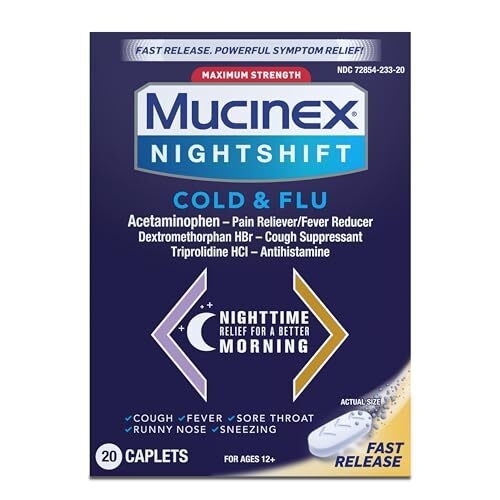

I made a stupid mistake three winters ago that landed me in urgent care feeling worse than the cold that started it all. Took my regular cold medicine, then added a nighttime formula a few hours later because I couldn’t sleep. Didn’t realize both contained acetaminophen.
By morning, I felt terrible – nausea, confusion, sweating. Turned out I’d accidentally doubled up on acetaminophen and pushed myself toward dangerous levels. The doctor wasn’t amused. Apparently this happens constantly because people don’t read labels or understand what they’re actually taking.
That scare taught me to actually pay attention to dosing instead of just grabbing whatever looked strongest at the pharmacy. Cold medicines are safer than most people think when used correctly, but surprisingly dangerous when you mess up the basics.
Reading Labels Matters More Than You Think
Every cold medicine contains multiple active ingredients doing different jobs. One handles congestion, another reduces fever, something else suppresses coughs. The problem is these same ingredients appear in different products under different brand names.
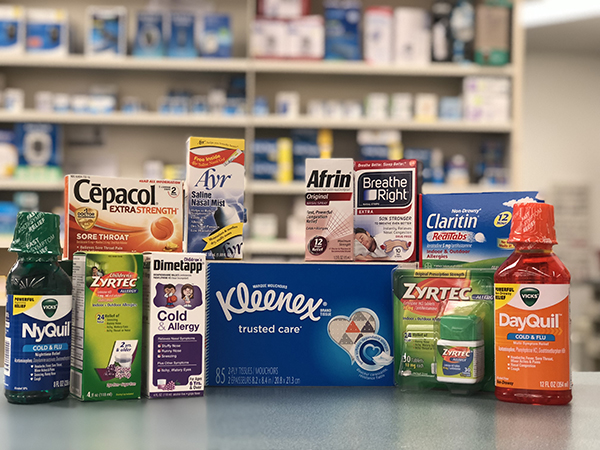
I had three different cold products in my cabinet. All three contained acetaminophen, two had the same decongestant, and I was taking them interchangeably based on time of day. Essentially tripling up on some ingredients while the boxes sat right next to each other.
Maximum daily doses exist for good reasons. Acetaminophen maxes out at 3,000-4,000mg daily depending on who you ask. Sounds like a lot until you realize many cold medicines pack 650mg per dose. Take it four times daily and you’re already at 2,600mg. Add a Tylenol for a headache and you’ve crossed into risky territory.
Decongestants like pseudoephedrine raise blood pressure and heart rate. Fine for healthy people in recommended doses. Dangerous if you double up or have underlying heart issues you don’t know about.
The safe approach is treating specific symptoms with single-ingredient products instead of multi-symptom formulas. More bottles to manage, but you control exactly what you’re taking and can’t accidentally overdose.
Time Spacing Between Doses
The package says “every 4-6 hours” and most people interpret that as “whenever I remember.” I used to dose randomly – 7am, then noon, then 8pm, then 2am when I woke up coughing. Terrible strategy.
Consistent spacing maintains steady medication levels. Taking doses at the same times daily keeps symptoms controlled instead of the rollercoaster of feeling okay, then terrible, then okay again.
I set phone alarms now. Sounds excessive but it works. 8am, 2pm, 8pm for three-times-daily dosing. Never early, never doubled up because I forgot if I took it.
Nighttime formulas tempt you to take them too early because you feel miserable at 7pm. But they’re designed for 8-10 hours of coverage. Take it at 7pm and you’re waking up at 4am when it wears off, too early for another dose but too miserable to sleep.
Wait until you’re actually going to bed. I take nighttime medicine at 10:30pm, sleep until 6:30am, and I’m good for the full night. Take it at 8pm just because I’m tired and I’m awake at 5am feeling awful with hours before I can safely take more.
Understanding What Each Ingredient Does
Most people grab multi-symptom formulas without knowing what’s inside. You’ve got a runny nose but the medicine also contains a cough suppressant you don’t need. Now you’re taking unnecessary medication.
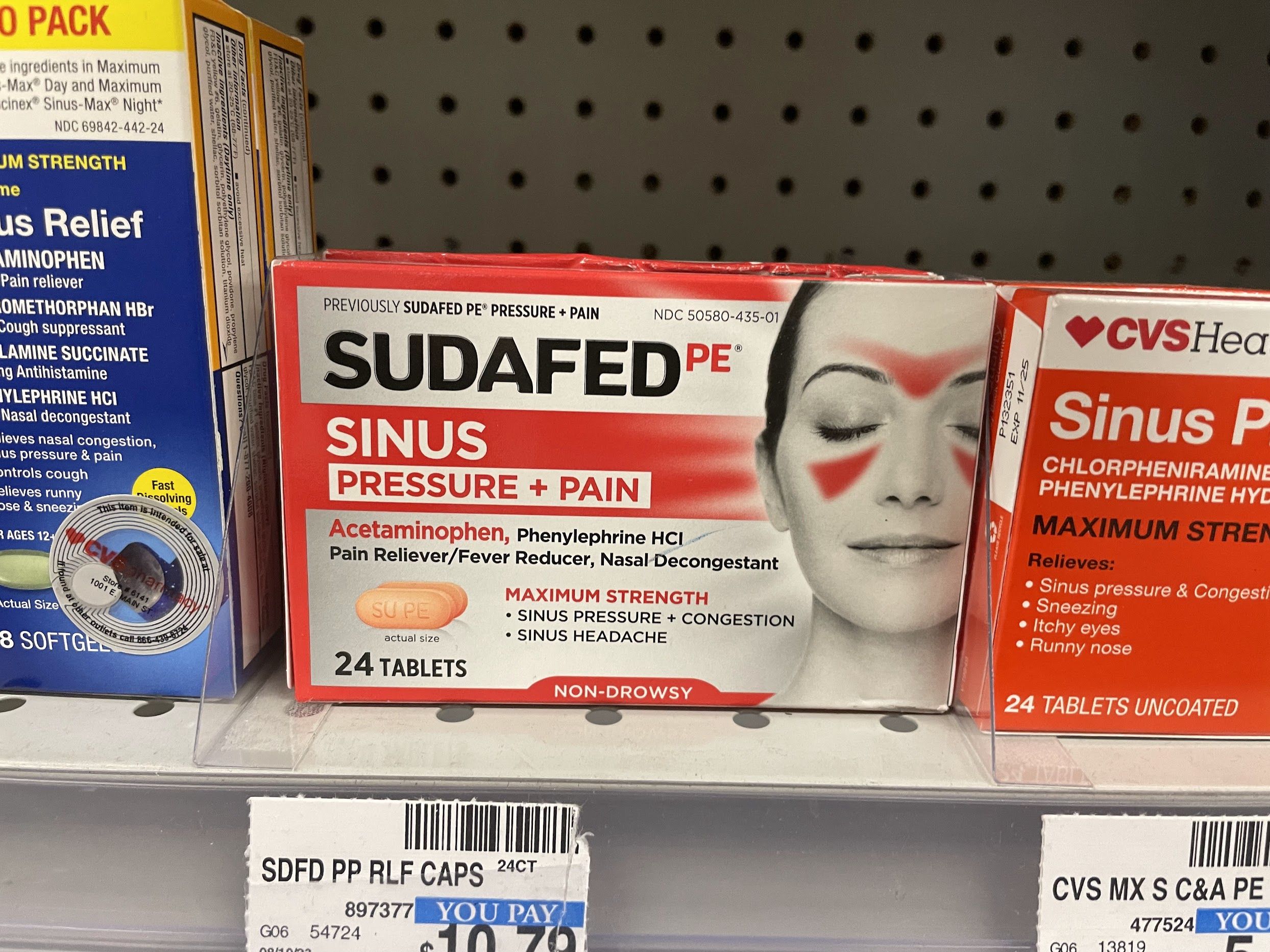
Decongestants like pseudoephedrine or phenylephrine dry out nasal passages and reduce congestion. They work, but they also cause jitteriness, insomnia, and increased blood pressure. If you don’t have congestion, you don’t need this ingredient.
Antihistamines dry up runny noses but make you drowsy. Daytime formulas use non-drowsy versions, nighttime formulas use the drowsy kind to help you sleep. Taking nighttime medicine during the day leaves you useless at work.
Cough suppressants like dextromethorphan stop the cough reflex. Great for dry, unproductive coughs. Bad for productive coughs where you’re actually clearing stuff out – suppressing that cough keeps infection in your lungs.
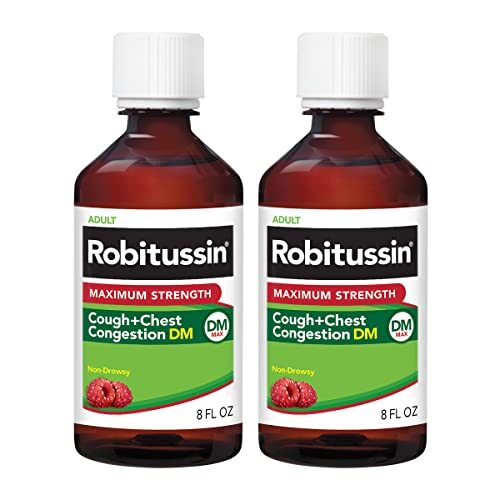
Expectorants like guaifenesin thin mucus so you can cough it up more easily. Opposite function from suppressants, but both appear in “cold medicines” depending on which type you grab.
Pain relievers and fever reducers – acetaminophen or ibuprofen – reduce aches and bring down fever. Essential ingredients, but dangerous when you don’t track total daily intake across all products.
Resources about cold medicines explain these ingredient combinations better than package labels do. Understanding what you’re actually taking prevents dangerous mistakes.
Special Considerations For Different People
My wife can’t take anything with pseudoephedrine – her blood pressure spikes and she gets anxious and jittery. Took us two miserable colds to figure out the pattern. Now she uses phenylephrine versions or just skips decongestants entirely.
People on blood pressure medication need to be careful with decongestants. The medications work against each other, and you risk cardiovascular problems. Check with your doctor or pharmacist – don’t just assume over-the-counter means safe for everyone.
Diabetics need sugar-free formulas. Many liquid cold medicines contain significant sugar – 15-20 grams per dose. Four doses daily adds serious carbohydrates and blood sugar spikes.
Older adults metabolize medications slower. Doses safe for 30-year-olds can accumulate to dangerous levels in 70-year-olds. My dad takes half doses more frequently instead of full doses at standard intervals.
Kids require completely different formulas and doses based on weight, not age. The teen-sized kid needs different dosing than the small-for-their-age kid of the same age. Pediatric dosing is complex enough to warrant calling the pediatrician.
When To Skip Medicine Entirely
Not every cold needs medication. Mild symptoms that don’t interfere with sleep or daily function? Your body handles it fine without chemical help.
I used to medicate every sniffle. Now I wait until symptoms actually bother me. Scratchy throat that doesn’t hurt? I drink tea and ignore it. Can’t sleep because I’m coughing? Time for medicine.
Fevers below 101°F don’t need reducing unless you’re miserable. Fever helps your immune system fight infection. Suppressing low-grade fevers might extend illness duration.
After day seven or eight, cold medicines aren’t helping anymore. You’ve either got a secondary infection needing antibiotics or you’re just dealing with lingering symptoms that will resolve on their own. More medicine won’t speed recovery.
Storing Medicine Properly
Bathroom medicine cabinets are terrible storage locations. Heat and humidity from showers degrade medications faster. I moved everything to a bedroom drawer and suddenly medicines lasted until their expiration dates instead of losing effectiveness early.
Check expiration dates before cold season hits. That bottle from two years ago isn’t working as well as you think. I clean out the medicine drawer every September and replace anything close to expiring.
Keep medicines in original containers with dosing instructions attached. I used to consolidate pills into one bottle to save space. Then I couldn’t remember what doses were safe or what the pills even were.
Wrapping This Up
Safe cold medicine use comes down to reading labels, understanding ingredients, and respecting maximum doses. The medications work well when used correctly and cause problems when people get careless.
Track everything you’re taking. Write it down if you need to. I keep a list on my phone of what medicine I took and when during bad colds. Prevents dangerous double-dosing when you’re foggy-headed and miserable.
Choose single-ingredient products targeting specific symptoms instead of multi-symptom formulas with stuff you don’t need. More control, less risk of accidental overdoses.
When in doubt, call a pharmacist. They know drug interactions and can warn you about combinations that seem fine but aren’t. Free advice that prevents expensive mistakes.