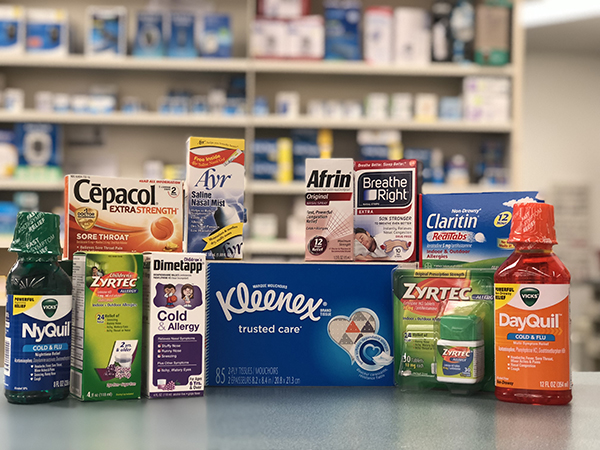

In my 15 years running UK pharmacies and clinics, I’ve demystified cold medicines for countless patients—the best ones target specific symptoms with proven active ingredients rather than promising cures. The reality is, colds are viral, so effective medicine relieves discomfort while your immune system works. Look, the bottom line is, understanding key components helps you choose wisely and recover comfortably.
Pain Relievers and Fever Reducers
Paracetamol stands as the cornerstone of most best cold medicines, easing headaches, aches, and fever effectively. Ibuprofen adds anti-inflammatory power for sore throats and muscle pain but suits fewer people due to stomach sensitivity. From practical standpoint, paracetamol’s safety profile makes it ideal for families—dosing every 4-6 hours keeps symptoms manageable without excess.
Decongestants for Nasal Relief
Phenylephrine and pseudoephedrine shrink swollen nasal passages, clearing congestion for better breathing. UK pharmacy favourites like Sudafed use these to combat stuffiness, though pseudoephedrine requires counter purchase due to restrictions. What I’ve learned is short-term use (3-5 days) prevents rebound congestion—longer risks dependency.
Cough Suppressants and Expectorants
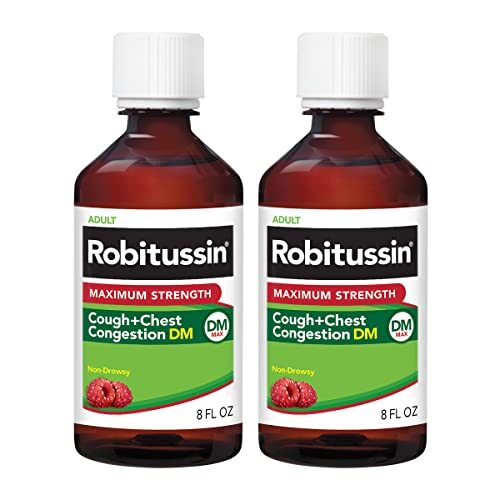
Dextromethorphan quiets dry, irritating coughs, while guaifenesin loosens mucus in productive ones. Beechams All-in-One combines both for versatility. The data tells us expectorants work best with hydration, thinning phlegm for easier expulsion and faster chest clearance.
Antihistamines for Runny Nose and Sleep
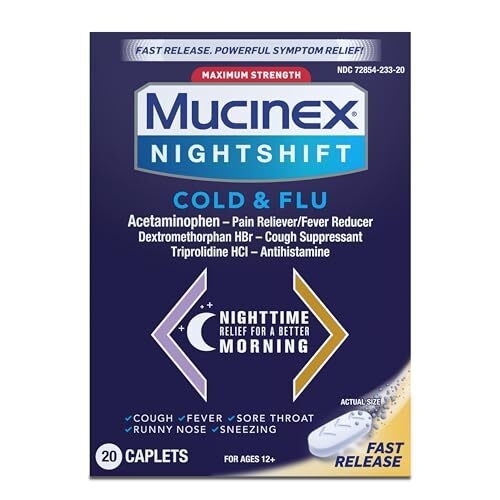
Diphenhydramine or chlorpheniramine dry runny noses and sneezes, with sedative effects aiding nighttime rest. Night Nurse exemplifies this in UK shelves. Back in 2018, daytime use caused drowsiness issues; now we recommend them strictly for evenings to maximise recovery sleep.
Supporting Ingredients and Forms
Menthol provides soothing vapour relief, while caffeine boosts paracetamol absorption in some formulas. Lozenges, liquids, and tablets suit preferences—liquids absorb faster for sore throats. Combination products like Lemsip Hot Lemon streamline multi-symptom care but check for duplicates to avoid overdose.
Conclusion
Understanding best cold medicine boils down to matching ingredients like paracetamol, decongestants, and cough aids to your symptoms. The reality is, no magic pill exists, but targeted use accelerates comfort and healing. Practise reading labels and timing doses, and colds become far less disruptive.
FAQs
What does paracetamol do in cold medicine?
Reduces fever, headaches, and body aches safely for most adults and children.
Is phenylephrine better than pseudoephedrine?
Pseudoephedrine often works stronger, but phenylephrine suits milder congestion.
When should I use a cough suppressant?
For dry, hacking coughs; expectorants suit chesty, productive ones instead.
Do antihistamines dry up a runny nose?
Yes, they reduce mucus production and sneezing effectively.
Are combination cold medicines safe?
Generally yes, but avoid if duplicating ingredients from other meds.
What’s the best form for sore throat relief?
Lozenges with menthol or liquids for quick soothing action.
Can I take cold medicine every day?
No, limit to 3-5 days max; consult pharmacist for longer use.
Do UK cold medicines differ from US ones?
Yes, stricter regulations on decongestants and child formulations.
Is caffeine helpful in cold remedies?
Enhances pain relief absorption and combats fatigue mildly.
How do I avoid overdose with multi-symptom meds?
Check total paracetamol daily—never exceed 4g for adults.