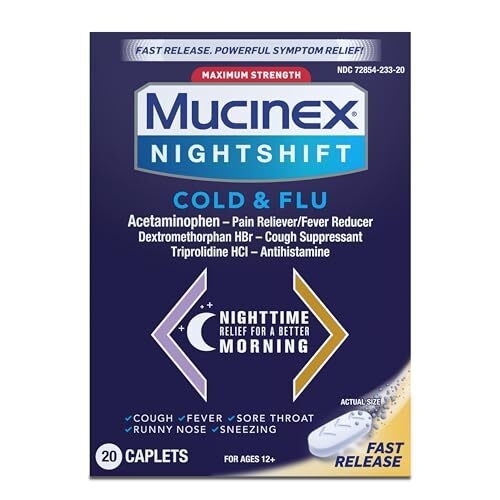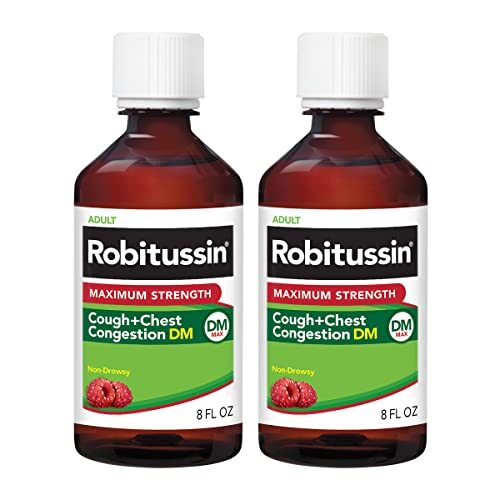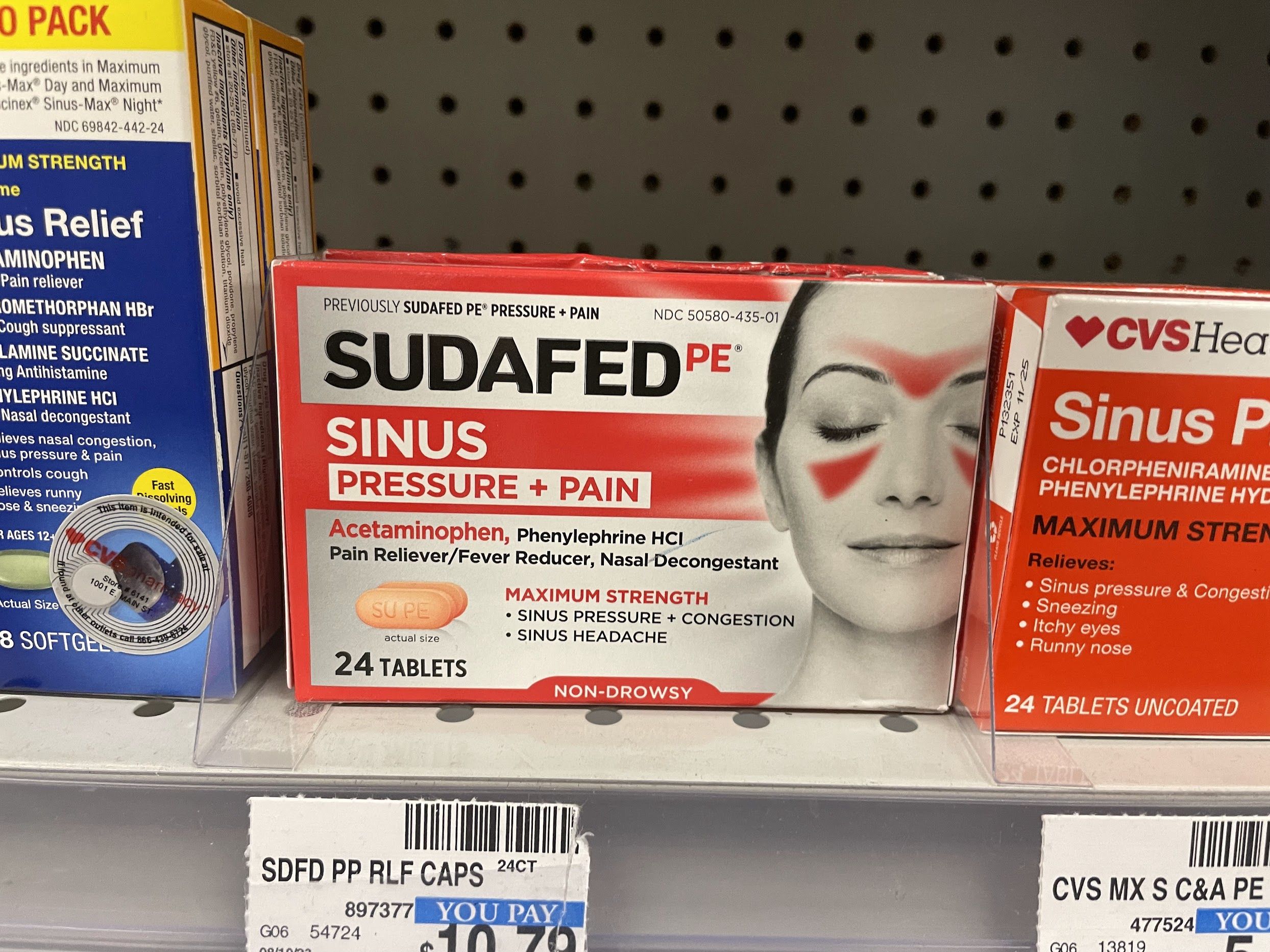

Took cold medicine before an important meeting last year. Needed to function despite being sick, so I grabbed a daytime formula that promised non-drowsy relief. Thirty minutes later, I’m sitting in the conference room feeling wired, jittery, and slightly paranoid.
Turns out pseudoephedrine affects me like I’ve chugged three espressos. Heart racing, hands shaking, brain moving too fast to focus. The meeting went terribly because I couldn’t concentrate on anything beyond how weird I felt.
Nobody tells you this stuff before you buy cold medicine. Labels mention “possible side effects” in tiny print, but you don’t know which ones you’ll actually experience until you’re living them at the worst possible moment.
Understanding what these medications actually do to your body helps you make smarter choices about when and what to take. Here’s what I learned through unfortunate trial and error.
Decongestants And The Jittery Feeling
Pseudoephedrine works by constricting blood vessels in your nasal passages. Problem is, it constricts blood vessels everywhere else too. Blood pressure rises, heart rate increases, and some people feel anxious or stimulated.
I get this intensely. Twenty minutes after taking pseudoephedrine, I’m bouncing my leg, talking fast, and generally acting like I’m overcaffeinated. Breathing clearly through my nose, yes, but at the cost of feeling uncomfortably wired.
My wife takes the same dose and feels nothing beyond cleared sinuses. Reactions vary wildly between people. You won’t know how you respond until you try it.
Sleep becomes impossible with pseudoephedrine in your system. I made the mistake of taking a dose at 8 PM once. Laid in bed until 2 AM, wide awake despite being exhausted. Never again.
Phenylephrine is the weaker alternative that replaced pseudoephedrine in many formulas. It’s less effective for congestion but also causes fewer stimulant effects. Doesn’t work as well but also doesn’t make you feel insane.
Antihistamines And Morning Grogginess
Diphenhydramine knocks me out effectively. Take it at bedtime, fall asleep within 45 minutes, sleep deeply. Sounds perfect until I try to wake up seven hours later feeling like I’m moving through wet cement.
The grogginess can last hours into the next day. I’ve taken nighttime cold medicine at 10 PM and still felt foggy and slow at noon the following day. Not ideal when you have to function at work or drive.
Some people metabolize antihistamines faster and wake up fine. Others, like me, feel the effects lingering well into the next morning. Age affects this too – older adults tend to experience longer-lasting drowsiness.
Doxylamine is even stronger and causes worse next-day effects for many people. Works great for sleep but the hangover is brutal. I avoid it now unless I have nowhere to be the next day.
The drowsiness is the point when taken at night, but it becomes a significant problem if you accidentally take nighttime formulas during the day. I’ve done this when sick and confused, then spent the afternoon fighting to stay awake.
Stomach Upset And Nausea
Taking cold medicine on an empty stomach made me nauseated more than once. Especially liquid formulas – something about the syrup consistency combined with all those active ingredients just doesn’t sit well.
Acetaminophen and ibuprofen in cold formulas can irritate stomach lining, particularly when you’re not eating much due to illness. I learned to eat something, even just crackers or toast, before taking medicine.
Dextromethorphan in high doses causes nausea for some people. The recommended dose is usually fine, but doubling up because you’re desperate for relief can trigger stomach problems.
Combination formulas with multiple ingredients compound the issue. Your stomach is processing four or five different drugs simultaneously, and sometimes it objects loudly. Simpler single-ingredient options cause fewer stomach issues in my experience.
Interactions With Other Medications
Cold medicines interact with surprising numbers of prescription drugs. My dad takes blood pressure medication and can’t use pseudoephedrine because it counteracts his prescription. His doctor never mentioned this – he figured it out when his blood pressure spiked.
Antidepressants and antihistamines can be a dangerous combination. The drowsiness effects multiply beyond what’s safe for functioning or driving. Some combinations affect heart rhythm or blood pressure unpredictably.
Always check with your pharmacist if you take regular prescriptions. They have software that flags interactions your doctor might not think to mention. Free consultation that could prevent serious problems.
Even herbal supplements interact. St. John’s Wort, commonly used for mood, interacts with dextromethorphan. Ginkgo biloba affects blood clotting and shouldn’t combine with pain relievers in cold formulas.
Rebound Congestion From Nasal Sprays
Nasal decongestant sprays work incredibly well for about three days. Then they cause rebound congestion that’s worse than your original symptoms. Your nose becomes dependent on the spray to stay open.
I used Afrin for a week straight once. By day seven, my nose was more congested than when I started, and I couldn’t breathe without the spray. Took two weeks of misery to break the cycle.
The maximum safe usage is three days. After that, switch to saline spray or oral decongestants. The temptation to keep using something that works so well is intense, but you’re creating a worse problem.
This is specifically about nasal sprays containing oxymetazoline or phenylephrine. Saline sprays don’t cause rebound and can be used indefinitely. Check what you’re actually using.
Dizziness And Lightheadedness
Some cold medicine formulas made me dizzy, particularly when standing up quickly. Antihistamines lower blood pressure slightly, and the change causes brief lightheadedness.
Decongestants have the opposite effect – raising blood pressure – but can still cause dizziness through different mechanisms. I’ve felt woozy from both types, just in different ways.
Dehydration from illness compounds these effects. You’re not drinking enough because you feel terrible, then you add medications that affect blood pressure, and suddenly standing up makes the room spin.
Stay hydrated and stand up slowly when taking cold medicine. Sounds obvious but easy to forget when you’re focused on just surviving the day.
Rare But Serious Reactions
Allergic reactions to cold medicine ingredients do happen. I’m not talking about side effects – I mean actual allergic responses with rashes, swelling, or breathing difficulty.
My neighbor had a severe reaction to acetaminophen in a multi-symptom formula. Developed a rash and facial swelling within an hour. Ended up in urgent care getting treated with steroids and antihistamines.
If you’ve never taken a specific cold medicine before, try it when you’re home and can monitor your response. Don’t take something new right before getting on a plane or driving long distances.
Liver damage from acetaminophen overdose is surprisingly common. People take multiple products containing it without realizing they’re exceeding safe daily limits. Max dose is 3,000-4,000mg daily – easy to exceed when combining products.
When To Stop Taking Medicine
If side effects outweigh the benefits, stop taking it. Sounds obvious, but people push through awful reactions because they think they should finish what they started. Medicine isn’t antibiotics – you can stop anytime.
I suffered through jittery anxiety from pseudoephedrine for two days before realizing I could just switch to a different formula. The stuffy nose was annoying but better than feeling like I was having a panic attack.
Try different formulations until you find what works without intolerable side effects. Everyone responds differently, and the first thing you try might not be the best option for your specific body chemistry.
Wrapping This Up
Cold medicine side effects range from minor annoyances to significant problems that interfere with daily life. Understanding what different ingredients do helps you anticipate and manage reactions.
Start with single-ingredient products to identify exactly what affects you and how. Multi-symptom formulas make it impossible to know which ingredient is causing problems.
Read labels obsessively and check interactions with any other medications or supplements you take. Those warnings exist because real people had real problems.
Listen to your body and don’t push through side effects that make you miserable. The goal is feeling better, not suffering through medication effects that are worse than the cold itself.