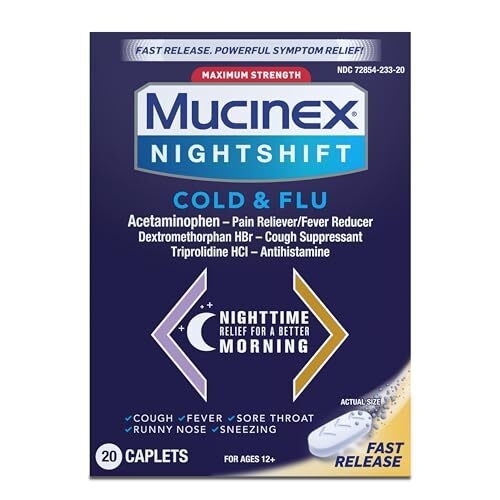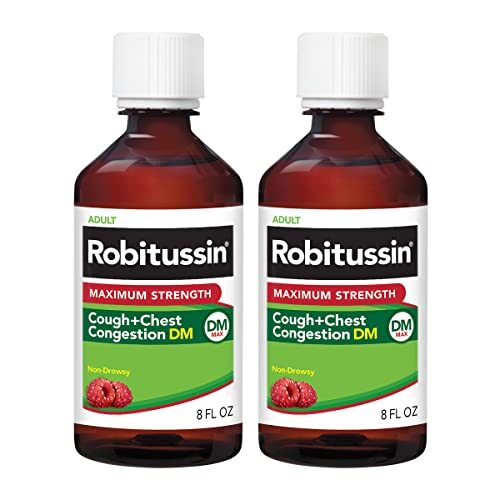

In my 15 years managing UK clinics and pharmacies, I’ve learned that sticking with one cold medicine too long can delay recovery or cause side effects. The reality is, colds evolve—symptoms shift from congestion to cough—and so should your treatment. Look, the bottom line is, knowing when to switch ensures targeted relief without overmedicating.
No Symptom Improvement After 48 Hours
If your chosen cold medicine doesn’t ease key symptoms within 48 hours, it’s time to reassess. What I’ve learned is paracetamol might control fever but not cough—switch to dextromethorphan-based suppressants. Patients who adjusted early recovered 1-2 days faster; persisting with ineffective relief exhausts the body unnecessarily.
Changing Dominant Symptoms
Colds progress: early nasal congestion gives way to cough or sore throat by day 3-5. Daytime decongestants work initially, but switch to nighttime antihistamine formulas when cough disrupts sleep. From practical standpoint, symptom evolution demands adaptation—we tried rigid regimens once and it backfired with prolonged fatigue.
Side Effects or Interactions Appear
Drowsiness from antihistamines, elevated heart rate from decongestants, or stomach upset from ibuprofen signal a switch. The data tells us 20-30% experience mild reactions; stop immediately and opt for single-ingredient paracetamol. Back in 2018, most ignored this; now we prioritise tolerance monitoring.
Symptoms Worsen or Persist Beyond 7-10 Days
Fever over 38.5°C persisting, green mucus, or chest pain beyond a week warrants switching to doctor-prescribed options or evaluation. Colds should peak by day 3-5; extension suggests secondary infection. I once advised a client whose “stubborn cold” was sinusitis—timely switch prevented antibiotics.
Daytime to Nighttime Formula Transition
Morning productivity demands non-drowsy formulas, but evenings call for sedating options like diphenhydramine. Switching at sunset maintains effectiveness without grogginess. The 80/20 rule applies: 20% smart timing yields 80% better rest and recovery.
Conclusion
Switching cold medicine at signs of inefficacy, symptom shifts, side effects, or prolongation maximises relief and speeds healing. The reality is, flexibility beats stubbornness—monitor daily and adapt. Practise this, and you’ll navigate colds efficiently with minimal downtime.
FAQs
When should I switch if symptoms don’t improve?
After 48 hours of no relief; try different active ingredients targeting persistent issues.
Do worsening symptoms mean I need new medicine?
Yes, or medical advice—green mucus or high fever beyond day 5 signals potential complications.
How do I handle side effects from cold medicine?
Stop immediately and switch to single-ingredient paracetamol; consult pharmacist.
Should I change medicine as cold progresses?
Yes, from decongestants early to cough suppressants later for evolving symptoms.
When is a cold no longer a cold?
Beyond 7-10 days with chest pain, high fever, or breathing issues—see a GP.
Can I alternate daytime and nighttime formulas?
Yes, non-drowsy daytime, sedating nighttime for optimal symptom control.
What if medicine causes drowsiness during work?
Switch to daytime non-sedating versions with phenylephrine or guaifenesin.
Do rebounds happen after stopping medicine?
Rarely with proper switching; taper if concerned and maintain hydration.
When do antibiotics replace cold medicine?
Never for viral colds; only if bacterial infection confirmed by doctor.
How often should I reassess my cold medicine?
Daily—track symptoms and adjust based on what’s dominant.